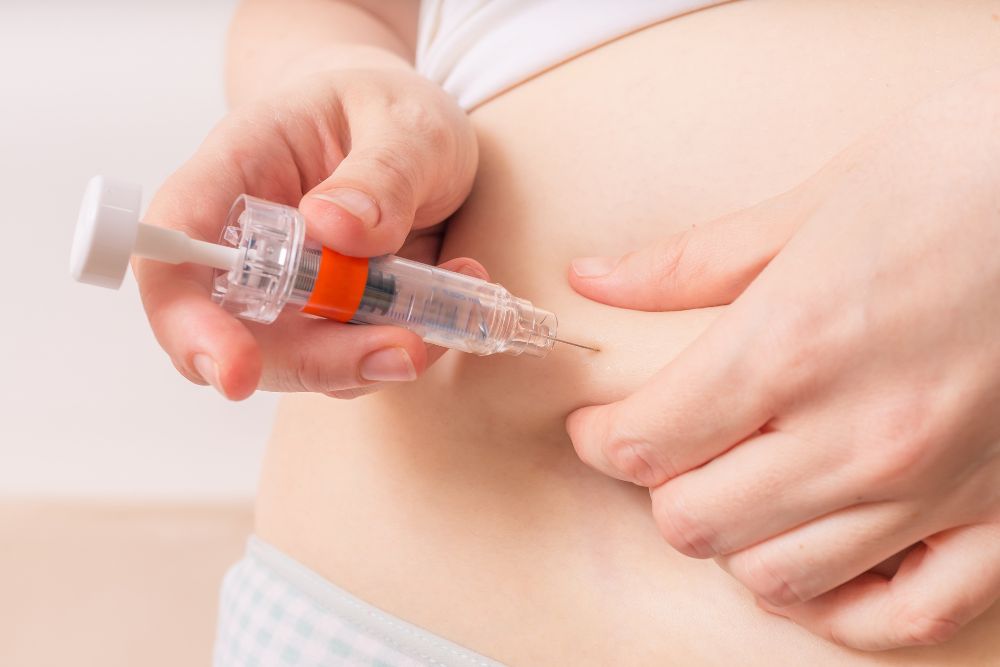
Endometriosis is a complex condition that can affect fertility in several different ways, which means fertility treatment is rarely identical for every patient with the condition. While in vitro fertilization (IVF) is often recommended for individuals with endometriosis trying to conceive, certain aspects of treatment and outcomes can vary depending on the nature and severity of the condition. If you have endometriosis and are exploring fertility care, understanding how the condition may influence IVF treatment can help you approach the process with clearer expectations and a better understanding of how care may be tailored to your individual situation.
How Endometriosis Affects IVF and Fertility
Endometriosis causes endometrial-like tissue to grow outside the uterus, which can trigger ongoing inflammation within the pelvic region. This inflammatory environment can negatively affect the surrounding reproductive structures, including the ovaries and fallopian tubes.
While IVF helps overcome some structural barriers caused by endometriosis — such as blocked fallopian tubes — the chronic inflammatory environment can affect other parts of the reproductive process in ways that may complicate outcomes. Research suggests that this inflammation can impair egg quality and affect the receptivity of the uterine lining, creating challenges at both the fertilization and implantation stages.
Additionally, some evidence suggests that surgeries to remove endometrial lesions or endometriomas, while sometimes necessary, carry a risk of inadvertently removing healthy ovarian tissue, which can reduce ovarian reserve and lower the number of eggs available for retrieval.
The extent to which these factors affect IVF success varies from patient to patient, and given the complexity, research is still evolving.
How IVF Protocols May Be Adjusted
For patients with endometriosis, IVF treatment plans are often individually tailored based on medical history, disease severity, and ovarian reserve. While no single protocol has been proven universally superior, there are several areas where a specialist may make meaningful adjustments.
Because endometriosis can affect how the body responds to fertility medications and hormonal changes, fertility specialists may modify medication protocols to carefully manage hormone levels during ovarian stimulation. The goal is to encourage the development of multiple eggs while minimizing the risk of worsening inflammation or triggering symptoms associated with endometriosis.
Fertility specialists may also monitor patients more closely during ovarian stimulation. More frequent ultrasounds and hormone testing can help physicians evaluate how the ovaries are responding to medication and make adjustments when needed.
In certain situations — particularly if ovarian reserve is significantly reduced or egg quality is a concern — additional options such as using donor eggs may also be discussed. While this is not necessary for all patients, it can be an important pathway to pregnancy for some individuals.
Navigating IVF With Endometriosis
While endometriosis can introduce additional considerations during IVF, many patients achieve successful outcomes with the right care and guidance. The key is working with a fertility clinic that understands how endometriosis can affect reproductive health and can tailor treatment accordingly. Specialists within the Prelude Network take a personalized approach to fertility care, helping patients navigate complex diagnoses like endometriosis with thoughtful evaluation and individualized treatment plans. If you have endometriosis and are considering IVF, reach out to a Prelude Fertility clinic to better understand your options and determine the next steps for your journey.